25 Easy Heart-Themed Crochet Projects to Make and Gift
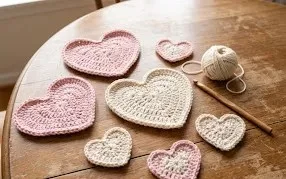
A crocheted heart can be a soft little applique, a plump hanging ornament, or the starting point for a pillow, garland, or thoughtful handmade gift. These 25 heart-themed crochet projects offer ideas for beginners who want to practice familiar stitches and for experienced makers who enjoy turning small scraps of yarn into something personal. You will find projects suited to Valentine’s Day, weddings, baby gifts, and everyday home decor, with options that work in cotton, wool, or acrylic. Many designs use simple shaping, increases, decreases, and basic color changes, so you can focus on neat edges and a clear heart outline. The collection also gives you room to adjust size, choose colors that suit the recipient, and use leftover yarn instead of buying a full skein. Pick a small make for a quick afternoon project, or choose a larger design when you have time to settle in with your hook.
Why You’ll Love This Pattern
A square of worsted cotton makes a sturdy, absorbent dishcloth that can go straight from the kitchen sink to the washing machine. This pattern uses single crochet throughout, so you can focus on even edges and consistent tension rather than learning a complicated stitch repeat.
The simple shape is useful for practicing how to count rows and work into a turning chain. One ball of cotton yarn is usually enough, and the cloth is easy to make in an evening. It also makes a practical handmade gift that can be used every day.
The rows were easy to keep track of, and the cotton cloth came out thick enough for washing dishes without feeling stiff.
— Maya, beginner crocheter
Pattern Overview & Skill Level
- Skill Level: Beginner. You will chain, single crochet, turn, and count stitches.
- Approximate Time: 2–3 hours, depending on your speed and how often you pause to check your stitch count.
- Construction: Worked flat in rows from one lower edge to the opposite edge. The finished piece is a square with no seams.
- Finished Dimensions & Sizing: About 8 × 8 in (20 × 20 cm) at a gauge of 4 single crochet stitches and 4 rows per inch. Small differences in gauge will change the finished size.
Materials & Supplies Needed
- Yarn: About 90 yd (82 m) of worsted-weight cotton yarn, US category 4. Choose one color, or use two colors and join the new shade at the end of a row. Cotton is absorbent and handles regular washing well.
- Hook: 5.0 mm / H-8 crochet hook. If your fabric feels stiff, try a 5.5 mm / I-9 hook; if it feels loose and holey, try a 4.5 mm / G-6 hook.
- Notions: Tapestry needle for weaving in the starting and finishing tails, scissors, and a ruler or tape measure. A stitch marker can mark the first stitch of each row if you tend to lose track.
- Substitutions: Use another 100% cotton yarn of similar thickness. A thinner yarn makes a smaller, lighter cloth and may require more rows; a thicker yarn makes a larger, heavier cloth and uses more yardage. Avoid fuzzy or delicate yarns, which are less practical for scrubbing and frequent laundering.
Stitch Guide & Abbreviations (US Terms)
- ch: Chain. Yarn over and pull through the loop on the hook.
- sc: Single crochet. Insert the hook into the indicated stitch, yarn over and pull up a loop, yarn over and pull through both loops on the hook.
- st(s): Stitch(es).
- rep: Repeat the stated action or sequence.
- RS: Right side, the face of the fabric you choose to show.
- WS: Wrong side, the opposite face of the fabric.
The turning chain at the start of each row does not count as a stitch. Work the first single crochet into the first stitch, not into the turning chain.
Step-by-Step Pattern Instructions
Dishcloth
Make a foundation chain with a relaxed hand. If your chain is much tighter than your single crochet rows, try making it with a larger hook, then switch back to the 5.0 mm hook for the first row.
- Row 1: Ch 33. Sc in the second ch from the hook and in each ch across. Turn. (32 sts)
- Row 2: Ch 1. Sc in each st across. Turn. (32 sts)
- Rows 3–32: Rep Row 2 twenty-nine times. Do not increase or decrease at either edge; work into the last stitch before turning. (32 sts each row)
After Row 32, check that the fabric is close to square. If it measures about 8 in wide but is noticeably shorter or longer, measure the length before finishing. The stated dimensions are approximate because cotton yarn and individual tension vary.
Finishing
Cut the yarn, leaving a tail about 6 in (15 cm) long. Pull the tail through the last loop to secure it. Thread the tail onto a tapestry needle and weave it through several stitches along the edge, then reverse direction through a few stitches to help keep it from working loose. Weave in the starting tail the same way. Trim the ends close to the fabric without cutting the stitches.
If the edges curl, dampen the cloth and lay it flat, smoothing the corners and sides into a square. Let it dry completely before use. There is no edging to join, and no seam is needed.
Care & Washing Instructions
- Wash cotton dishcloths in warm water, around 40°C (104°F), with similar kitchen laundry; check the yarn label if it gives a lower limit.
- Tumble dry on low or lay flat to dry; high heat can shrink cotton or make it feel rougher over time.
- Reshape the damp cloth by hand and smooth the corners flat. Blocking is optional, but it can help even out the edges after washing.
Pro Tips & Common Mistakes to Avoid
- Keep your tension even rather than pulling each stitch tight. A very tight fabric is harder to work into and may not absorb water as readily.
- Count the 32 stitches at the end of each row, especially during the first few rows. If you use a marker, place it in the first single crochet of the row, not in the turning chain.
- For less visible ends, weave each tail through the backs of stitches along an edge and change direction before trimming. Do not rely on a single short pass, since repeated washing can loosen it.
- To make a larger cloth, begin with more chains and add the same number of rows to keep it square. Each extra chain adds about ¼ in (6 mm) to the width at the stated gauge, and more stitches and rows use more yarn.
Frequently Asked Questions
Can I use acrylic yarn instead of cotton?
You can, but acrylic is generally less absorbent than cotton and may not work as well for wiping dishes. The fabric may also feel warmer or less textured. Check the yarn label for washing instructions, and make a small swatch if you want to compare the feel before completing the cloth.
How can I make the dishcloth larger or smaller?
For a wider cloth, add chains to the starting chain, keeping the number of single crochet stitches equal to the intended width. For a longer cloth, work additional rows. At the stated gauge, four stitches or four rows add about 1 in (2.5 cm). Adjust both width and length if you want to preserve a square shape.
Is this pattern suitable for a first crochet project?
Yes. It uses only chains and single crochet, with no shaping, color changes, or joining. The main skill to practice is making the same number of stitches in every row. If the sides narrow, a stitch at the edge was likely missed; if they widen, an extra stitch may have been worked into the turning chain.
May I sell dishcloths made from this pattern?
Check the designer’s terms before selling finished items, since permissions can differ. If sales are allowed, describe the item accurately and follow any required credit or labeling instructions. Do not claim the written pattern as your own.
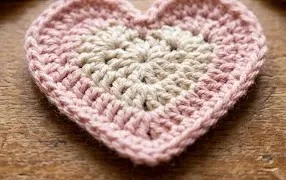
A finished crochet heart is a small, personal way to add handmade warmth to a gift, a room, or a seasonal display. Choose one of the smaller designs for a quick finish, or combine several hearts into a garland or colorful blanket. You can change the look simply by using cotton for a crisp shape, plush yarn for a softer feel, or a larger hook and thicker yarn for an oversized version. When your project is ready, share a photo on Pinterest or your favorite social media account so other crocheters can see your colors and finishing choices. Then explore more free crochet patterns on the blog for your next afternoon with yarn and a hook.