Easy Finger Knit Holiday Garland: Free Pattern Guide
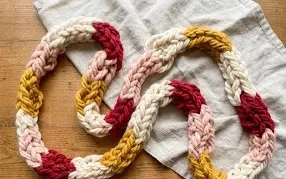
A soft, chunky strand of finger-knit yarn brings a handmade touch to a mantel, staircase, or holiday tree. This garland is made by pulling loops of yarn through one another with your fingers, creating a flexible chain with a neat, cozy texture and no crochet hook or knitting needles required. Beginners can focus on keeping the loops a similar size, while gift makers and home decor fans can choose colors that suit a room or a seasonal display. The repeated motion is simple to settle into, and the garland grows quickly enough to feel rewarding in one sitting. You’ll learn how to form the linked loops, keep the tension even, and finish the ends securely so the strand is ready to hang. Add small decorations if you like, or leave the yarn chain plain for a clean, handmade look.
Why You’ll Love This Pattern
A square of worsted-weight cotton makes a practical dishcloth that is ready for the kitchen after a few simple rows. This version uses single crochet throughout, so there is no stitch pattern to memorize and the fabric is sturdy enough for everyday washing.
The project is a useful way to practice even tension and keep track of row counts. One ball of cotton usually provides enough yarn for a cloth, and the plain texture works well with solid or variegated yarn. It also makes an easy handmade gift when paired with a bar of soap or a kitchen towel.
The rows were easy to follow, and the finished cloth feels thick enough to use without being stiff.
— Lena, home crocheter
Pattern Overview & Skill Level
- Skill Level: Beginner
- Approximate Time: 2–3 hours, depending on your pace and tension
- Construction: A flat square worked back and forth in single crochet rows, then finished with a woven-in yarn end. No border is needed.
- Finished Dimensions & Sizing: About 8 × 8 inches (20 × 20 cm) after washing and drying flat. The pattern makes one dishcloth.
Turn at the end of every row. The turning chain does not count as a stitch, so work the first single crochet into the first stitch of each row.
Materials & Supplies Needed
- Yarn: About 90 yards (82 m) of worsted-weight (#4) 100% cotton yarn. One color is sufficient; choose a smooth, tightly spun cotton that can handle frequent washing.
- Hook: 5.0 mm (US H-8) crochet hook.
- Notions: Tapestry needle for weaving in the ends, scissors, and a ruler or tape measure. A stitch marker is optional.
- Substitutions: A similar amount of cotton-linen blend can be used, though the cloth may feel more textured and drape differently. Avoid acrylic for a dishcloth because it absorbs water less effectively. A different yarn weight changes the finished size, and the hook may need to change to suit the yarn.
Gauge: 15 single crochet stitches and 16 rows measure about 4 inches (10 cm) in an unstretched square. If your swatch is larger, try a smaller hook; if it is smaller, try a larger hook. Matching gauge helps the cloth reach the stated dimensions and keeps yarn use close to the estimate.
Stitch Guide & Abbreviations (US Terms)
- ch = chain.
- sc = single crochet: insert the hook in the stitch, yarn over and pull up a loop, yarn over and pull through both loops.
- st = stitch.
- sts = stitches.
- rep = repeat.
For this pattern, make the turning chain at the start of each row, then work single crochet in every stitch across. Do not work into the turning chain from the previous row.
Step-by-Step Pattern Instructions
Dishcloth
- Foundation: Ch 31.
- Row 1: Sc in the second ch from the hook and in each ch across. Turn. (30 sts)
- Row 2: Ch 1, sc in each st across. Turn. (30 sts)
- Row 3: Ch 1, sc in each st across. Turn. (30 sts)
- Row 4: Ch 1, sc in each st across. Turn. (30 sts)
- Row 5: Ch 1, sc in each st across. Turn. (30 sts)
- Row 6: Ch 1, sc in each st across. Turn. (30 sts)
- Row 7: Ch 1, sc in each st across. Turn. (30 sts)
- Row 8: Ch 1, sc in each st across. Turn. (30 sts)
- Row 9: Ch 1, sc in each st across. Turn. (30 sts)
- Row 10: Ch 1, sc in each st across. Turn. (30 sts)
- Row 11: Ch 1, sc in each st across. Turn. (30 sts)
- Row 12: Ch 1, sc in each st across. Turn. (30 sts)
- Row 13: Ch 1, sc in each st across. Turn. (30 sts)
- Row 14: Ch 1, sc in each st across. Turn. (30 sts)
- Row 15: Ch 1, sc in each st across. Turn. (30 sts)
- Row 16: Ch 1, sc in each st across. Turn. (30 sts)
- Row 17: Ch 1, sc in each st across. Turn. (30 sts)
- Row 18: Ch 1, sc in each st across. Turn. (30 sts)
- Row 19: Ch 1, sc in each st across. Turn. (30 sts)
- Row 20: Ch 1, sc in each st across. Turn. (30 sts)
- Row 21: Ch 1, sc in each st across. Turn. (30 sts)
- Row 22: Ch 1, sc in each st across. Turn. (30 sts)
- Row 23: Ch 1, sc in each st across. Turn. (30 sts)
- Row 24: Ch 1, sc in each st across. Turn. (30 sts)
- Row 25: Ch 1, sc in each st across. Turn. (30 sts)
- Row 26: Ch 1, sc in each st across. Turn. (30 sts)
- Row 27: Ch 1, sc in each st across. Turn. (30 sts)
- Row 28: Ch 1, sc in each st across. Turn. (30 sts)
- Row 29: Ch 1, sc in each st across. Turn. (30 sts)
- Row 30: Ch 1, sc in each st across. Turn. (30 sts)
Finishing
Fasten off, leaving a tail long enough to weave in securely. Thread the tail onto a tapestry needle and pass it through several stitches on the wrong side, then change direction and weave through a few more stitches. Trim the remaining end without cutting into the fabric. Repeat with the starting tail. Wash and dry the cloth flat before checking its final measurements.
Care & Washing Instructions
- Wash cotton in warm water, up to 40°C (104°F), with similar colors and a mild detergent.
- Dry flat or tumble dry on low; reshape the square while damp if the edges curl.
- Block by smoothing the damp cloth to about 8 × 8 inches and letting it dry flat; follow the yarn label if its fiber content differs.
Pro Tips & Common Mistakes to Avoid
- Keep your loops a consistent height. Tight single crochet can make the cloth stiff, while loose stitches leave a more open fabric that may stretch with use.
- Count the 30 stitches at the end of each row. If the edges start slanting, a stitch was likely missed at the beginning or added in the last stitch.
- Use a stitch marker in the first stitch of a row if you have trouble spotting it. Remove or move it as you work so it always marks the current row’s first stitch.
- To make a larger cloth, begin with more chains and add rows, keeping the number of stitches in each row equal to the number of chains minus one. A larger cloth uses more yarn and takes longer to dry; a smaller cloth uses less.
Frequently Asked Questions
Can I use a different yarn fiber?
Cotton is a good choice because it absorbs water and tolerates regular washing. A cotton-linen blend is also suitable, but it may have a firmer feel. Check the yarn label for care instructions, and expect a different finished size if the yarn weight changes.
How can I make the dishcloth larger or smaller?
Adjust the foundation chain to change the width, then work enough rows to make the height similar to the width. For this pattern, 31 chains give 30 stitches across. Changing the dimensions also changes the yardage needed.
Is this pattern suitable for a first crochet project?
Yes. It uses only chains and single crochet, with no shaping or joining. Practice making even stitches on the first few rows, and count each row to keep the edges straight.
May I sell dishcloths made from this pattern?
You can sell your finished work only if the designer’s pattern terms allow it. Check the original designer’s terms before listing items, and write your own product description and photos rather than presenting the pattern as your own.
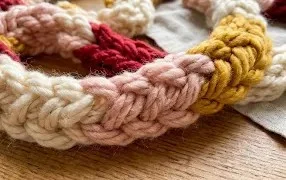
Your finished garland has a soft, handmade look that works along a mantel, around a tree, or wrapped loosely around a banister. For a simple variation, alternate two yarn colors every few inches to make a striped strand, or use thinner yarn for a lighter, more delicate chain. Take a photo of your finished piece and share it on Pinterest or your favorite social platform; it’s fun to see how different colors change the feel of the same project. If you enjoyed working the loops by hand, explore more free patterns on the blog for your next quiet afternoon craft.