Easy Crochet Marshmallow Snowman in a Mug Free Pattern
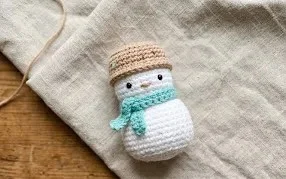
Soft white yarn, a tiny stitched face, and a cozy little mug give this crochet snowman the look of a marshmallow tucked into a warm drink. The finished piece is a cheerful bit of handmade winter decor, small enough for a shelf or desk and thoughtful enough to give as a seasonal gift. Beginners can enjoy practicing the basic stitches and shaping used in amigurumi, while more experienced crocheters can finish it in a relaxed afternoon. The pattern brings together crocheted pieces, simple facial details, and assembly into one compact project. You’ll learn how to work the snowman’s rounded form and make the mug that holds him, with tips to keep the stuffing smooth and the finished figure sitting neatly.
Why You’ll Love This Pattern
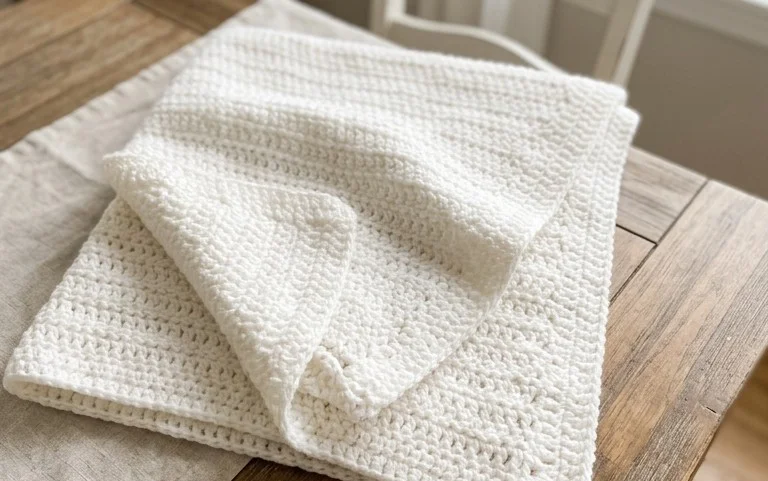
This simple cotton dishcloth is worked in single crochet, so the fabric is sturdy, absorbent, and easy to wash. The flat construction keeps the shaping straightforward: make a foundation chain, work even rows, and finish with a neat edge. It is a useful first project for practicing consistent stitch height and counting across rows.
A single cloth takes about 2 to 3 hours, depending on your pace. One ball of cotton yarn is usually enough, and the small size makes this a practical way to use leftover cotton. The finished cloth also makes a useful housewarming gift alongside a bar of soap or a bottle of dish detergent.
The rows were easy to keep track of, and the cotton cloth washed well after its first week in the kitchen. I liked that I could finish it in one evening.
— Maya, home crocheter
Pattern Overview & Skill Level
- Skill Level: Beginner. You should know how to make a slip knot, chain, and single crochet.
- Approximate Time: 2 to 3 hours.
- Construction: A flat rectangle worked back and forth in single crochet rows, then finished by weaving in the yarn ends. No seaming is needed.
- Finished Dimensions & Sizing: About 7 by 7 inches (18 by 18 cm), based on the gauge below. Small differences in tension will change the final size.
Materials & Supplies Needed
- Yarn: About 65 yards (60 m) of worsted-weight #4, 100% cotton yarn. Use one color, or change colors at the end of a row for stripes.
- Hook: 4.5 mm / 7 crochet hook. If your stitches are loose, try a 4.0 mm / G-6; if they are tight, try a 5.0 mm / H-8.
- Notions: Tapestry needle for weaving in ends, scissors, and a ruler or measuring tape.
- Substitutions: Choose a smooth, washable cotton or cotton blend of similar thickness. A thinner yarn makes a smaller, lighter cloth; a thicker yarn makes a larger, denser cloth and may need a larger hook. Avoid fuzzy yarn, which can hide stitches and hold lint.
- Gauge: 18 sc and 18 rows measure about 4 inches (10 cm) in the pattern stitch. Make a small swatch if matching the finished size matters; adjust hook size to reach gauge.
Stitch Guide & Abbreviations (US Terms)
- ch = chain.
- sc = single crochet. Insert the hook into the stitch, yarn over and pull up a loop, yarn over again and pull through both loops.
- st = stitch.
- sts = stitches.
- rep = repeat.
- Turning chain = the chain made at the start of a row before turning. It does not count as a stitch in this pattern.
Work each single crochet under both top loops of the stitch unless the instructions say otherwise. Keep the turning chain loose enough that the first stitch of the next row is easy to find.
Step-by-Step Pattern Instructions
Dishcloth
- Foundation: Make a slip knot and ch 33. The extra chain is the turning chain for Row 1; it does not count as a stitch.
- Row 1: Sc in the second ch from the hook and in each ch across. Turn. (32 sts)
- Rows 2–32: Ch 1, sc in each st across, then turn. Repeat this row 31 times, for 32 rows total. (32 sts per row)
- Fasten off: After Row 32, cut the yarn, leaving a tail about 6 inches (15 cm) long. Pull the tail through the last loop to secure it.
- Finish: Thread the tail onto a tapestry needle. Weave it through several stitches on the wrong side, change direction, and weave through a few more stitches. Trim the end without cutting into the fabric. Repeat with the starting tail.
Count the first row carefully. If you have fewer or more than 32 stitches, undo the row and correct it before continuing. Keeping the count steady gives the cloth straight sides. At the stated gauge, the piece measures close to 7 inches square; block it gently if the edges need evening out.
Care & Washing Instructions
- Wash cotton in a machine on a warm cycle, up to 40°C (104°F), or hand-wash in warm water with mild detergent.
- Dry flat or tumble-dry on low heat; high heat can shrink cotton.
- Reshape the damp cloth by hand and let it dry flat. Follow the yarn label if its fiber blend has different care requirements.
Pro Tips & Common Mistakes to Avoid
- Keep your tension even. If the foundation chain is tighter than the rows, the bottom edge will pull inward; make the chain with a relaxed hand or use a slightly larger hook just for the chain.
- Count the stitches at the end of every row, especially the first few. The turning chain does not count, so work the first sc into the first actual stitch, not into the chain.
- Use a removable stitch marker in the first stitch of each row if you tend to miss the last stitch. Move it up as you work so both side edges stay straight.
- For a larger cloth, add chains in multiples of one and work the same number of sc across each row; add rows to increase the length. A wider or longer cloth uses more yarn, so have extra cotton available before expanding it.
Frequently Asked Questions
Can I use acrylic yarn instead of cotton?
You can, but acrylic is less absorbent and may not scrub or dry like cotton. Choose a washable worsted-weight yarn, then check your gauge because fiber and yarn construction can change the cloth’s size and feel.
How can I make the dishcloth larger or smaller?
For a wider cloth, change the starting chain; for a longer cloth, work additional rows. Each added chain gives one more stitch across, and each added row increases the length. Expect the yarn use to rise with either adjustment.
Is this pattern suitable for a first crochet project?
Yes. It uses only chains and single crochet, with no increases, decreases, or joining. The main challenge is keeping 32 stitches in every row, so count regularly and use a marker to identify the first stitch.
May I sell dishcloths made from this pattern?
Check the designer’s terms before selling finished items, and follow any credit or labeling requirements. If you are using a pattern with no stated terms, ask the designer for permission rather than assuming commercial use is allowed.
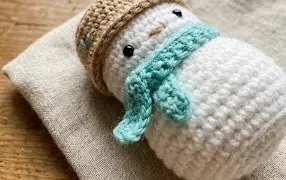
Your little snowman is ready to add a handmade touch to a winter mantel, a holiday table, or a gift basket. For a simple variation, crochet the mug in a favorite color or use a soft pastel shade for a different seasonal look. Take a photo of your finished piece in its new spot and share it on Pinterest or your social media page; it’s always fun to see how different yarn colors change the character. If you enjoyed making this small amigurumi project, explore more free crochet patterns on the blog for your next cozy afternoon craft.