Easy Christmas Quilt Blocks Crochet Pattern for Beginners
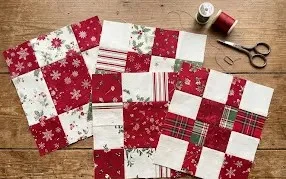
Worsted cotton in pine green, cranberry red, or winter white gives these crochet squares a firm, soft texture that suits a handmade Christmas display. Arrange the finished blocks together like a small quilt, or use a single square as a festive cloth or gift accent. The pattern uses turned rows of single crochet, so beginners can practise steady tension and neat edges without shaping. It is also a relaxed project for gift makers and home decor lovers who enjoy choosing colors and seeing a simple square take shape. You’ll find guidance on the materials, gauge, and basic technique, along with practical notes for keeping your blocks even. Make a few during a quiet evening, then decide how you’d like to use or arrange them.
Why You’ll Love This Pattern
A square cotton dishcloth is a practical first project: it uses one basic stitch, has straight edges, and can be worked in a single color or with leftover cotton yarn. The simple rows make it easy to practise keeping an even tension without managing increases or shaping. Its compact size also makes it portable, so you can work a few rows during a short break.
This beginner pattern makes a useful kitchen cloth or a small handmade gift. The finished fabric is sturdy enough for everyday use, and cotton is absorbent and washable. The sample review below is an illustrative example, not a verified customer testimonial.
The rows were easy to follow, and the cotton made a cloth that feels sturdy without being stiff.
— Maya, beginner crocheter
Pattern Overview & Skill Level
- Skill Level: Beginner. You need to know how to chain and single crochet.
- Approximate Time: About 2–3 hours, depending on your pace and tension.
- Construction: Crochet a flat square in turned rows of single crochet, then fasten off and weave in the ends.
- Finished Dimensions & Sizing: About 8 × 8 inches (20 × 20 cm) when made to gauge. Small differences in tension may change the finished measurements.
Materials & Supplies Needed
- Yarn: About 90 yards (82 m) of worsted-weight (#4) 100% cotton yarn. One color is enough; a small amount of a second color can be used for a striped version.
- Hook: 5.0 mm / H-8 crochet hook. Use the hook that gives you a firm but flexible fabric.
- Notions: Tapestry needle for weaving in ends, scissors, and a ruler or tape measure for checking gauge.
- Substitutions: Choose another worsted-weight cotton yarn with similar care instructions. A cotton blend may feel softer or stretchier. Avoid acrylic for a cloth intended for hot cookware, since it can be damaged by heat. A different yarn weight changes the size and texture; a finer yarn usually makes a smaller cloth, while a thicker yarn makes a larger, heavier one.
Gauge: 15 single crochet stitches and 15 rows measure about 4 inches (10 cm) in a flat swatch. The pattern is forgiving, but matching gauge helps the cloth reach its stated size. If your swatch is larger, try a smaller hook; if it is smaller, try a larger hook.
Stitch Guide & Abbreviations (US Terms)
- ch: Chain. Yarn over and pull through the loop on the hook.
- sc: Single crochet. Insert the hook into the stitch, yarn over and pull up a loop, yarn over and pull through both loops on the hook.
- st / sts: Stitch / stitches.
- rep: Repeat the stated instruction.
- FO: Fasten off by cutting the yarn and pulling the cut end through the loop on the hook.
Turning chain: At the start of each row, chain 1 and turn. This chain does not count as a stitch. Work the first single crochet into the first stitch of the row.
Step-by-Step Pattern Instructions
Dishcloth
Keep the first and last stitches easy to see. Count each row before turning, because missing the first stitch at the edge can gradually narrow the cloth. The turning chain does not count toward the stitch total.
- Row 1: Ch 31. Sc in the second ch from the hook and in each ch across. (30 sts)
- Row 2: Ch 1, turn. Sc in each st across. (30 sts)
- Rows 3–30: Rep Row 2, keeping 30 sc in every row. (30 sts each row)
Measure the work after Row 30. It should be close to 8 inches (20 cm) square at the stated gauge. If it is noticeably shorter or longer, you can add or remove rows, though the finished cloth will no longer match the sample dimensions.
Finishing
- After Row 30, FO, leaving a yarn tail of about 6 inches (15 cm).
- Thread the tail onto a tapestry needle. Weave it through several stitches on the wrong side, change direction, and weave through a few more stitches so it stays secure.
- Weave in the starting tail in the same way. Trim the remaining yarn close to the fabric without cutting the stitches.
- Wash and reshape the cloth if needed. Let it dry flat before measuring its final size.
Care & Washing Instructions
- Wash cotton in cool or warm water, up to 40°C (104°F), with similar colors; check the yarn label first.
- Dry flat when possible, or tumble-dry on low if the yarn label allows it.
- Reshape the damp cloth to a square and smooth the edges flat; blocking is usually optional for a dishcloth.
Pro Tips & Common Mistakes to Avoid
- Keep the fabric even: Use a relaxed, consistent tension. If the cloth feels stiff, try a larger hook; if it has large gaps, try a smaller one.
- Count the edge stitches: Check for 30 stitches at the end of every row. Place a removable stitch marker in the first and last stitch if those edges are hard to spot.
- Secure the yarn tails: Weave each end through the backs of several stitches and change direction once. A short tail woven in only one direction is more likely to come loose during washing.
- Adjust the size carefully: To make a wider cloth, add chains to the foundation, then work one sc into each chain after the first. Each added chain adds one stitch. Extra width or length uses more yarn; a cloth twice as wide and twice as long takes roughly four times as much yarn.
Frequently Asked Questions
Can I use a different yarn fiber?
For a dishcloth, cotton or a cotton-rich blend is the most practical choice because it absorbs water and tolerates regular washing. Acrylic can work for a decorative cloth, but it is not a good choice around hot cookware. Check the yarn label for washing and drying instructions before substituting.
How do I make the cloth smaller or larger?
For a narrower cloth, start with fewer chains; for a wider one, start with more. To change the length, work fewer or more rows. Keep one sc in every stitch, and check that the row stitch count matches the number of foundation chains worked after the first chain.
Is this pattern suitable for a first crochet project?
Yes. It uses chains and single crochet in straight rows, with no shaping or color changes required. Practise a short swatch first if your edges tend to gain or lose stitches, then count each row as you go.
Can I sell dishcloths made from this pattern?
Check the designer’s terms before selling finished items, and follow any credit or sales restrictions they specify. Use your own product photos and describe the yarn and care instructions accurately.
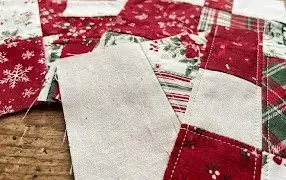
Once your last end is woven in, you’ll have a neat cotton square with a handmade look that brings a little holiday color to the kitchen or a seasonal display. For a simple variation, work the rows in alternating red and white to give the block a striped, quilt-inspired finish. Keep the finished piece flat while it dries after washing so its edges stay tidy. If you make one, share a photo on Pinterest or your favorite social media site and let other crocheters see your color choices. When you’re ready for another small project, explore more free crochet patterns on the blog.