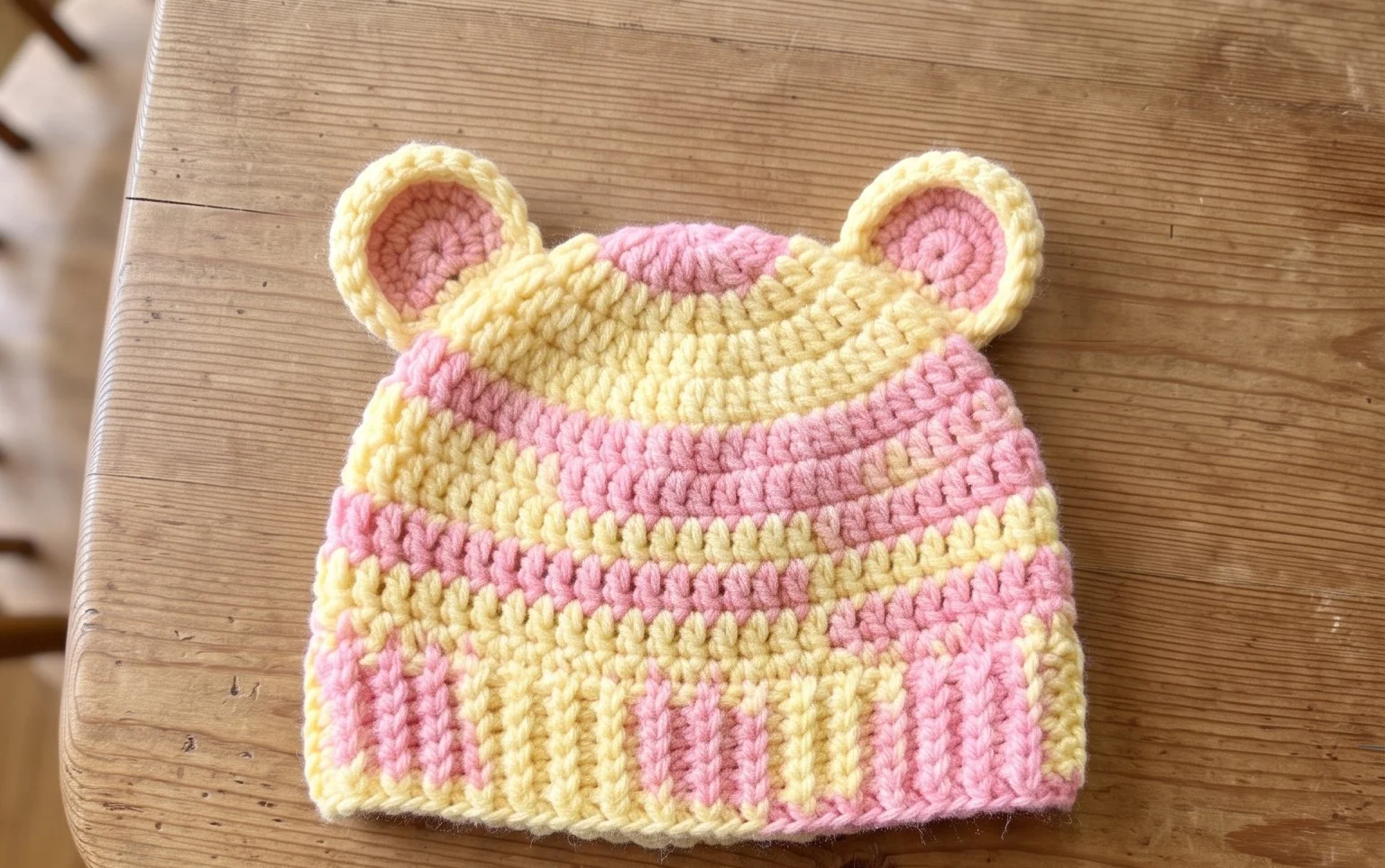
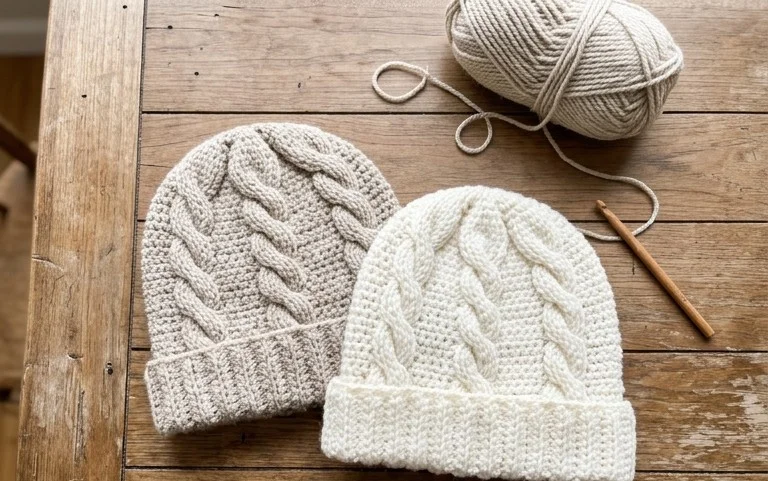
Easy Neutral Shades Beanies: Free Crochet Patterns
Soft yarn in shades of cream, slate, and charcoal turns into a cozy winter accessory that feels light yet keeps you warm during biting cold winds. These projects offer a simple way to practice foundation stitches while creating a gift that fits anyone on your list. Working with subtle tones creates a timeless look that pairs with any coat or scarf in your closet. You will gain confidence as you master basic shaping and ribbed edges, ensuring a snug fit every single time. Grab your favorite hook, settle into your most comfortable chair, and prepare to stitch something truly useful.
Why You’ll Love This Pattern
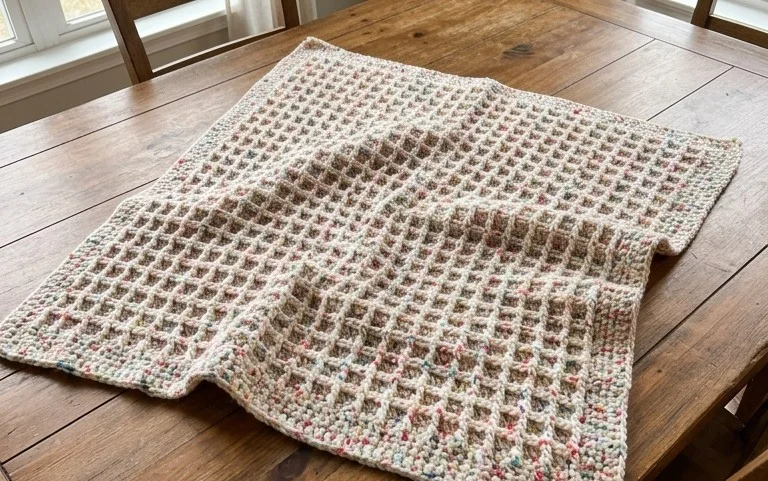
This classic crochet dishcloth is designed using a durable cotton blend, making it the perfect tool for scrubbing stubborn kitchen messes. The texture created by the seed stitch variation provides extra friction to help lift grime without scratching non-stick cookware or delicate surfaces. Because it relies on basic crochet stitches, it works up quickly enough to complete in a single evening. It is an ideal project for using up small amounts of leftover medium-weight yarn from previous projects. Since cotton is highly absorbent and withstands frequent washing, these cloths remain a staple in the kitchen for months of daily use.
I finally used up those leftover balls of cotton yarn sitting in my stash, and these cloths are much sturdier than the ones I buy at the store.
— Sarah, home crafter
Pattern Overview & Skill Level
- Skill Level: Beginner
- Approximate Time: 1 to 2 hours
- Construction: Worked in flat rows using a simple two-stitch repeat
- Finished Dimensions: 8 inches by 8 inches
Materials & Supplies Needed
- Yarn: Worsted weight (#4) 100% cotton yarn, approximately 60 yards per dishcloth.
- Hook Size: 5.0 mm (US H-8).
- Notions: Tapestry needle for weaving in ends, scissors.
- Yarn Substitutions: You can use a cotton-acrylic blend, but note that it will be slightly less absorbent than 100% cotton. Avoid wool or synthetic acrylics, as they do not handle heat or moisture as well as cotton fibers.
Stitch Guide & Abbreviations (US Terms)
- ch: chain
- st(s): stitch(es)
- sc: single crochet
- dc: double crochet
- rep: repeat
- turn: turn your work
- Seed Stitch: A pattern created by alternating a single crochet and a double crochet in the same row, then placing the opposite stitch into the stitch from the previous row.
Step-by-Step Pattern Instructions
Foundation and Body
The entire dishcloth is worked in one continuous piece. You will chain an odd number to ensure the stitch pattern remains consistent across every row.
- Foundation: Ch 31.
- Row 1: Sc in the second ch from the hook, dc in the next ch. *Sc in the next ch, dc in the next ch. Rep from * across the row. Turn. (30 sts)
- Row 2: Ch 1 (does not count as a stitch). Sc in the first dc of the previous row, dc in the next sc. *Sc in the next dc, dc in the next sc. Rep from * across to the end of the row. Turn. (30 sts)
- Rows 3-30: Repeat Row 2 until the piece measures 8 inches in height.
Finishing
After reaching the desired height, fasten off your yarn, leaving a 6-inch tail. Use your tapestry needle to weave the tail back and forth through the stitches on the back side of the work to secure the end. Trim any excess yarn flush with the fabric.
Care & Washing Instructions
- Machine wash in warm water on a gentle cycle to remove oils and food residue.
- Lay the dishcloth flat on a clean towel to air dry, reshaping it into a square while damp.
- Avoid using fabric softener, as it coats the cotton fibers and reduces the cloth’s natural ability to absorb water.
Pro Tips & Common Mistakes to Avoid
Maintain consistent tension throughout the project to ensure the dishcloth stays perfectly square. If your hands tend to tighten up, consider switching to a slightly larger hook to keep the fabric flexible rather than stiff. Use a stitch marker on the first stitch of every row if you find it difficult to identify the turning chain or the final stitch of the previous row. To adjust the size, simply add or subtract chains in multiples of two; remember that a larger cloth will require more than 60 yards of yarn.
Frequently Asked Questions
Can I use a larger hook for this pattern?
Yes, using a larger hook will result in a looser, airier fabric. This is useful if you want the dishcloth to dry faster, but it will make the cloth slightly less durable for heavy scrubbing.
How do I know if I have enough yarn?
Weigh your yarn ball before starting. If you have at least 1.5 ounces of worsted weight cotton, you will have plenty for one 8-inch square cloth. If you are unsure, stop your rows when you have about 5 yards of yarn remaining to ensure you have enough to fasten off.
Is this pattern suitable for complete beginners?
This is an excellent project for beginners because it only uses two basic stitches. The repetitive nature of the seed stitch allows you to practice keeping your edges straight and your tension even without needing to follow complex charts.
Can I sell the dishcloths I make from this pattern?
You are welcome to sell finished items created from this pattern. I only ask that you credit the design and do not use these specific instructions to create your own written or video tutorials.
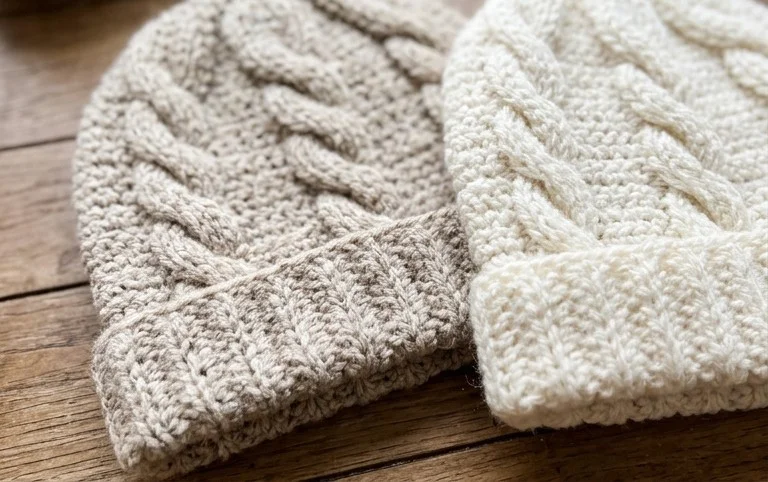
A handmade hat in earthy colors brings a sense of quiet comfort to your winter wardrobe. You might experiment by adding a large faux fur pompom to the top or choosing a thicker wool blend if you live in a climate with heavy snow. Please share a photo of your finished work on social media so others can see your progress. I have many more free projects available on the blog if you want to keep your hands busy with another simple design this weekend.