Easy Crochet Baby Shoes: Free Pattern for Tiny Feet
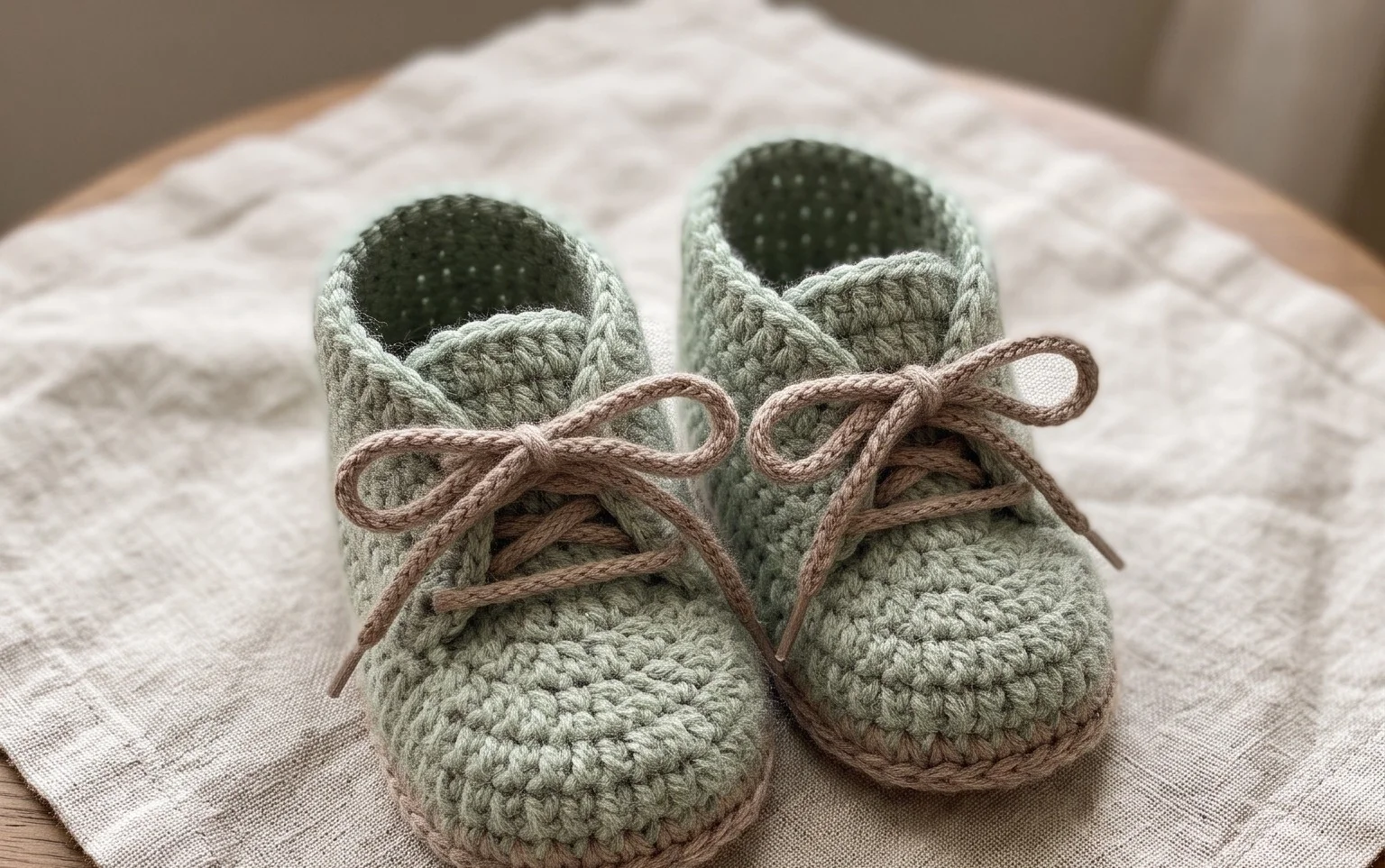
Soft yarn shapes into a tiny sole and a rounded upper in these crochet baby shoes, giving little feet a cozy handmade layer. The finished pair is small enough to tuck into a gift box or bring along to a baby shower, and the simple shaping makes the project satisfying without taking a long stretch of time. Beginners can practice keeping stitches even as they work around the sole and build the upper; experienced crocheters can enjoy a quick, thoughtful make. In this pattern, you’ll learn how the stitches form the shoe’s shape and how to check the finished size against the baby’s foot. Choose a soft yarn from the materials list, and follow the sizing notes for a pair that feels comfortable rather than tight.
Why You’ll Love This Pattern
This square cotton dishcloth uses half double crochet stitches worked in straight rows, so you can focus on an even fabric rather than shaping. The simple construction makes it a useful first project for practicing turning chains and keeping row edges tidy.
One skein of worsted cotton is enough for the cloth, and the short rows make it easy to pick up between other tasks. The finished piece measures about 8 inches square, a handy size for washing dishes or wiping counters. Cotton absorbs water and can be washed often, which makes the cloth practical for everyday use.
The rows were easy to keep track of, and the finished cloth came out a useful size for my kitchen.
— Jo, example review
Pattern Overview & Skill Level
- Skill Level: Beginner. You need to know how to chain and make a half double crochet.
- Approximate Time: About 2–3 hours, depending on your pace and tension.
- Construction: A flat square worked back and forth in rows, with no seams or separate edging.
- Finished Dimensions & Sizing: Approximately 8 × 8 inches (20 × 20 cm) after washing and drying flat. The size depends on your gauge.
Materials & Supplies Needed
- Yarn: About 90–110 yd (82–101 m) of worsted-weight (#4) 100% cotton yarn in one color. Cotton holds up well to frequent washing and is absorbent.
- Hook Size: 5.0 mm / H-8 crochet hook. Check your gauge and change hook size if needed.
- Notions: Tapestry needle for weaving in the two ends, scissors, and a ruler or tape measure.
- Substitutions: Use another worsted-weight cotton, including a cotton blend, if the yarn label allows machine washing. A thinner yarn makes a smaller, lighter cloth; a thicker yarn makes a larger, denser cloth and uses more yarn. Acrylic is less absorbent than cotton, so it may not work as well for dishwashing.
Gauge: 14 half double crochet stitches and 12 rows measure 4 inches (10 cm) after light washing and drying flat. Gauge is useful here because it affects both the cloth’s finished size and how much yarn it uses.
Stitch Guide & Abbreviations (US Terms)
- ch: Chain.
- hdc: Half double crochet. Yarn over, insert the hook into the stitch, yarn over and pull up a loop, then yarn over and pull through all three loops on the hook.
- st/sts: Stitch/stitches.
- rep: Repeat.
The turning chain of 2 does not count as a stitch. Work the first half double crochet of each new row into the first stitch, directly below the turning chain, to keep the sides straight.
Step-by-Step Pattern Instructions
Dishcloth
- Foundation: Ch 30. The foundation chain is the base for the first row.
- Row 1: Hdc in the third ch from the hook and in each ch across. Turn. (28 sts)
- Row 2: Ch 2, hdc in each st across. Turn. (28 sts)
- Rows 3–24: Rep Row 2, keeping 28 hdc in every row. Turn after each row. (28 sts in each row)
Finishing
After Row 24, fasten off, leaving a yarn tail long enough to weave in. Thread the tail onto a tapestry needle and pass it through several stitches on the back of the cloth. Change direction and weave through a few nearby stitches so the end is held securely. Repeat with the starting tail. Trim the yarn close to the fabric without cutting into the stitches.
Wash and dry the cloth before measuring it. If your gauge matches the pattern, it should settle close to 8 inches square. Small differences are normal because cotton can relax slightly after washing.
Care & Washing Instructions
- Machine wash cotton in cool or warm water, up to 40°C (104°F), using the yarn label’s directions.
- Lay flat to dry, smoothing the corners and edges while the cloth is damp.
- Reshape the square by hand while damp; if the edges curl, pin it to measurements and let it dry before use.
Pro Tips & Common Mistakes to Avoid
- Keep tension steady: Avoid pulling the foundation chain tight. If it is much firmer than the first row, use a hook one size larger for the chain, then switch back to the 5.0 mm hook.
- Count each row: Check that you have 28 stitches before turning. The first and last stitches are easy to miss, especially when the turning chain does not count as a stitch.
- Hide ends securely: Weave each tail through the backs of several stitches, then change direction. A short tail woven through only one row may loosen with repeated washing.
- Adjust size with care: To make the cloth wider, add chains in multiples of one and work the same number of stitches across. Add rows for extra length. Both changes increase yarn use, and a larger cloth takes longer to dry.
Frequently Asked Questions
Can I use a different yarn weight?
Yes, but the finished dimensions will change. A lighter yarn with a smaller hook produces a smaller cloth, while bulky yarn makes a larger, thicker fabric. Choose a washable, absorbent yarn and make a gauge swatch if you want to estimate the new size.
How can I make the dishcloth larger or smaller?
For a wider or narrower cloth, change the foundation chain, then work one half double crochet into each chain after the first two skipped chains. For a longer or shorter cloth, change the number of rows. Measure as you work, since gauge affects the final dimensions.
Is this pattern suitable for a first crochet project?
Yes. It uses a chain and one basic stitch, with no shaping, joining, or color changes. Keep track of the first and last stitch in each row; those edge stitches are the most common places to accidentally add or lose a stitch.
May I sell dishcloths made from this pattern?
Check the designer’s terms before selling finished items, and follow any credit or usage requirements. If you sell the cloth, describe its fiber accurately and give buyers the yarn label’s washing guidance.
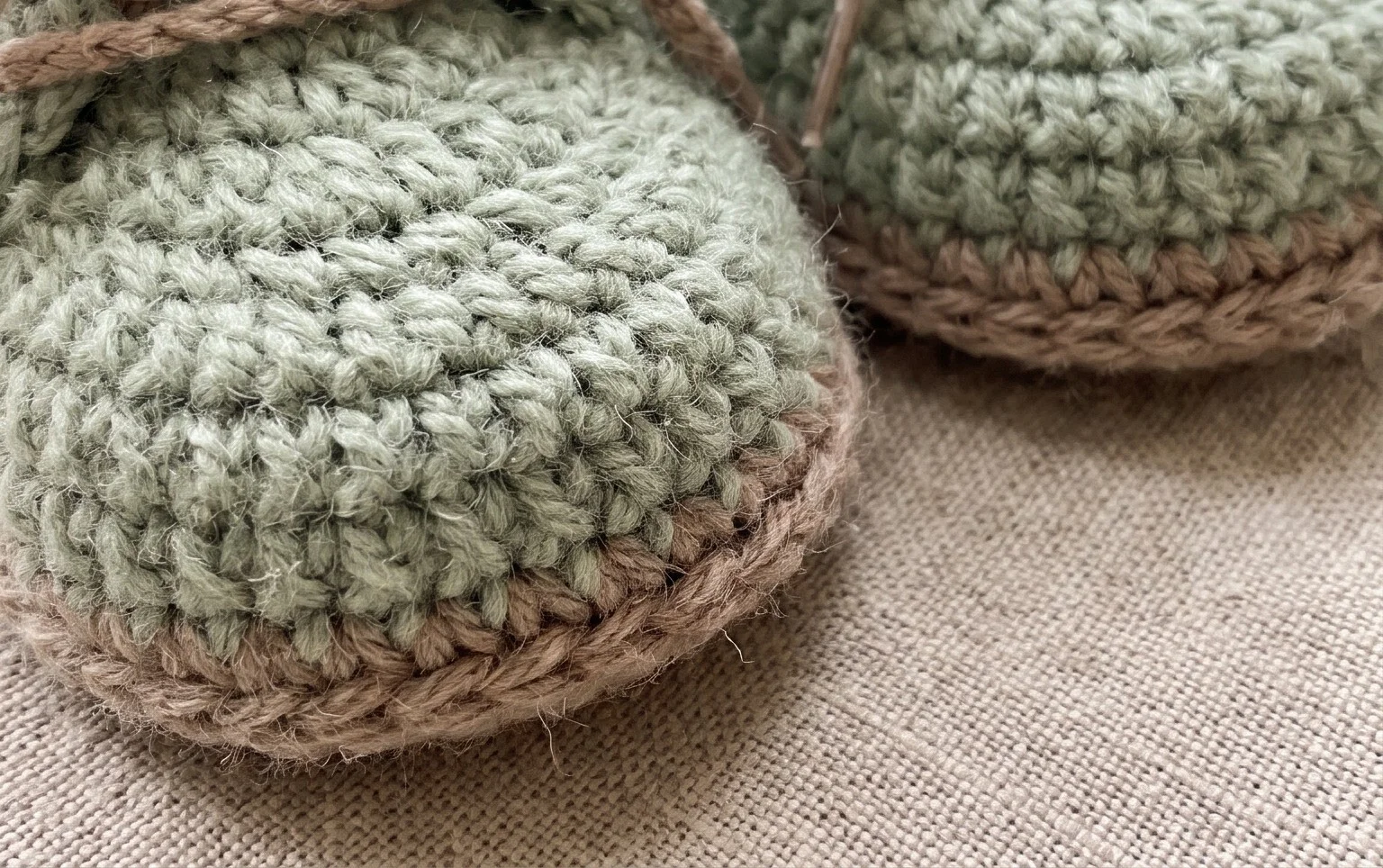
A finished pair of tiny shoes is a lovely reminder of what a little yarn and a few careful rounds can make. Check that the soles match the size in the pattern, then weave in the ends securely so they stay tidy through handling. For a simple variation, work the pair in a second color for a contrasting cuff or sole while keeping the same yarn type and hook size. If you make a pair, share a photo on Pinterest or your favorite social platform so other crocheters can see how yours turned out. Then browse the blog for more free crochet patterns, including small projects you can finish in an evening.