19 Easy Winter Hat Crochet Patterns: Free Beginner Ideas
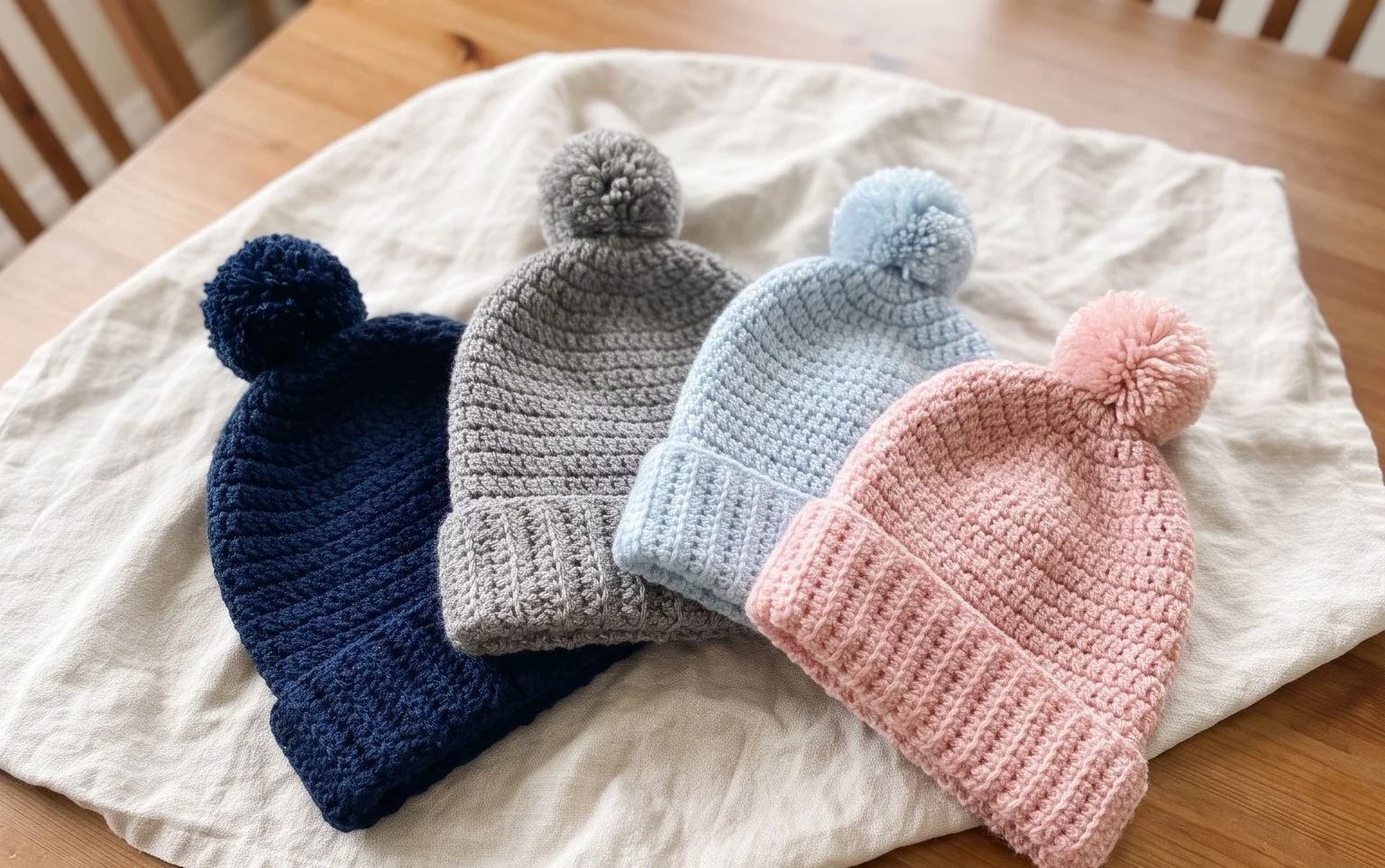
Soft yarn and a snug ribbed brim can turn a simple crochet hat into the piece you reach for on a cold walk. These winter hat patterns include quick projects for beginners, thoughtful handmade gifts, and colorful designs for anyone who likes coordinating accessories with a cozy home palette. You’ll find styles with smooth stitches, textured fabric, and options for different fits, so you can choose a hat that suits your yarn and the person who will wear it. The patterns also give you a chance to practice useful techniques such as working in the round, making ribbing, and checking gauge for a comfortable fit. Most use familiar crochet supplies and manageable stitch repeats, making them satisfying projects to work on over an evening or a quiet weekend. Pick a favorite yarn, then adjust the color or brim to make the finished hat your own.
Why You’ll Love This Pattern
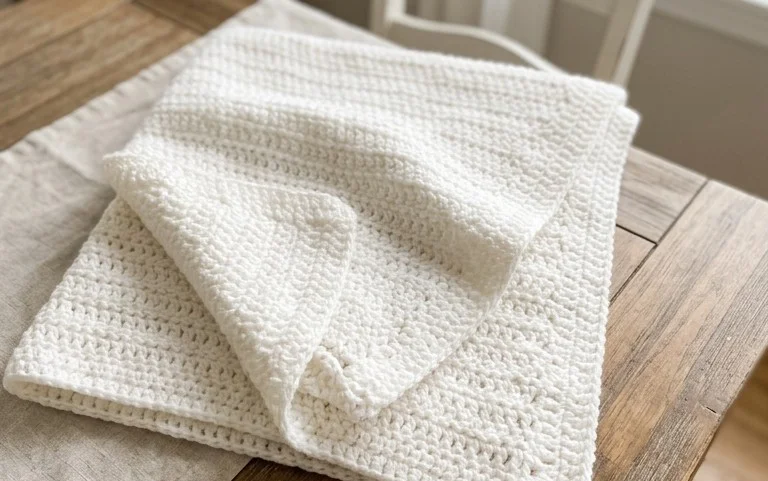
This crochet dishcloth is made in sturdy cotton with plain single crochet rows, so the fabric is practical for wiping counters and washing dishes. Its simple shape makes it a useful first project for practicing even tension and counting stitches without keeping track of complicated shaping.
The pattern uses one stitch throughout, and each row stays at 30 stitches. That steady repeat is easy to pick up during a short break, and a single cloth usually takes about two to three hours. A small ball of cotton yarn is enough, so it also works well for using up a partial skein.
Make a set in one color for a coordinated kitchen, or use different shades for cloths that are easier to tell apart. Cotton gives the finished fabric a soft, absorbent feel and stands up to regular washing. One crocheter’s sample feedback:
The rows were easy to count, and I had a useful dishcloth finished in an afternoon. I’d make another one with the cotton left from my last project.
— Ava, beginner crocheter
Pattern Overview & Skill Level
- Skill Level: Beginner. You need to make a chain and single crochet, then turn your work at the end of each row.
- Approximate Time: Two to three hours, depending on your pace and how often you pause to check your stitch count.
- Construction: A flat rectangle worked back and forth in rows. The turning chain does not count as a stitch, so every row contains 30 single crochet stitches.
- Finished Dimensions & Sizing: About 7.5 by 7.5 inches when blocked, using the gauge below. Cotton can relax slightly after washing, so check the measurement after your first wash.
Gauge: 16 single crochet stitches and 16 rows measure 4 inches in a washed and dried swatch. Gauge affects the finished size: if your swatch is wider than 4 inches, try a smaller hook; if it is narrower, try a larger hook.
Materials & Supplies Needed
- Yarn: About 90 yards of worsted-weight cotton yarn, approximately 50 grams. Choose one color or combine shades, making sure each color is the same yarn weight.
- Hook: 5.0 mm / H-8 crochet hook. Use the hook that gives the stated gauge; a different brand of cotton may need a small adjustment.
- Notions: Tapestry needle for weaving in the yarn ends, scissors, and a ruler or tape measure for checking gauge and finished size.
- Substitution: A cotton-linen blend can replace cotton at a similar worsted weight. It may feel a little firmer and drape less. Avoid fuzzy or highly elastic yarns for a dishcloth, since they can make the fabric harder to use and change its size.
Stitch Guide & Abbreviations (US Terms)
- ch: Chain. Yarn over the hook and pull through the loop on the hook.
- sc: Single crochet. Insert the hook into the stitch, yarn over and pull up a loop, then yarn over and pull through both loops on the hook.
- st: Stitch.
- sts: Stitches.
The turning chain at the start of each row is for height only and does not count as a stitch. Work the first single crochet into the first stitch of the row, which sits directly below the turning chain.
Step-by-Step Pattern Instructions
Dishcloth
- Foundation: Ch 31. Keep the chain relaxed rather than pulling it tight; a tight foundation can make the lower edge narrower than the rest of the cloth.
- Row 1: Sc in the second ch from the hook and in each ch across. Turn. (30 sts)
- Row 2: Ch 1, sc in each st across. Turn. (30 sts)
- Rows 3–30: Repeat Row 2. Count the stitches at the end of each row, especially for the first few rows. (30 sts each row)
Finishing
After Row 30, fasten off, leaving a tail about 6 inches long. Pull the tail through the final loop to secure it. Thread the tail onto a tapestry needle and weave it through the backs of several stitches, changing direction once so it is less likely to come loose during washing. Weave in the starting tail in the same way.
Lay the cloth flat and check that the corners are square. If needed, wet-block it by soaking it in cool or lukewarm water, gently pressing out the excess water without twisting, and pinning it to the finished measurements. Let it dry fully before use. A border is not required for this pattern, and leaving the edges plain keeps the stitch count and shape simple.
Care & Washing Instructions
- Wash cotton in cool or warm water, following the yarn label; avoid very hot water if the yarn label warns against it.
- Dry the cloth flat after washing, or use a dryer only if the yarn label allows machine drying.
- While damp, smooth the edges and corners back into shape; block flat if the rows have become uneven.
Pro Tips & Common Mistakes to Avoid
- Keep your single crochet tension steady. A relaxed foundation chain and consistent loops help the cloth lie flat instead of narrowing at the bottom.
- Count all 30 stitches before turning. It is easy to miss the last stitch at the row edge or accidentally work into the turning chain; remember that the chain does not count.
- Weave each tail through the backs of several stitches, then change direction. Avoid pulling the tail so tightly that the edge puckers, and do not rely on a single knot to secure it.
- To change the size, add or remove foundation chains and work more or fewer rows. Each extra chain adds one stitch to the width, while extra rows add length; larger cloths use more yarn and take longer to dry.
Frequently Asked Questions
Can I use a different yarn fiber?
For an absorbent dishcloth, cotton or a cotton-linen blend is the best choice. Acrylic can be less absorbent and may feel slick when wet. Any change in fiber can alter the drape, gauge, and finished measurements, so make a swatch before starting.
How can I make the dishcloth wider or narrower?
Change the starting chain, keeping one fewer chain than the number of stitches you want. For example, chain 26 for 25 stitches, then work the same number of rows for a narrower cloth. A wider or longer cloth uses more yarn, so allow extra yardage.
Is this pattern suitable for a first crochet project?
Yes. It uses only chains and single crochet, with no shaping or joining. Practice a few rows on a small swatch first, and check that each row has 30 stitches so the edges stay straight.
May I sell dishcloths made from this pattern?
Check the designer’s terms before selling finished items, and follow any credit or product-labeling requirements they set. If you sell them, include the fiber content and washing guidance from the yarn label.
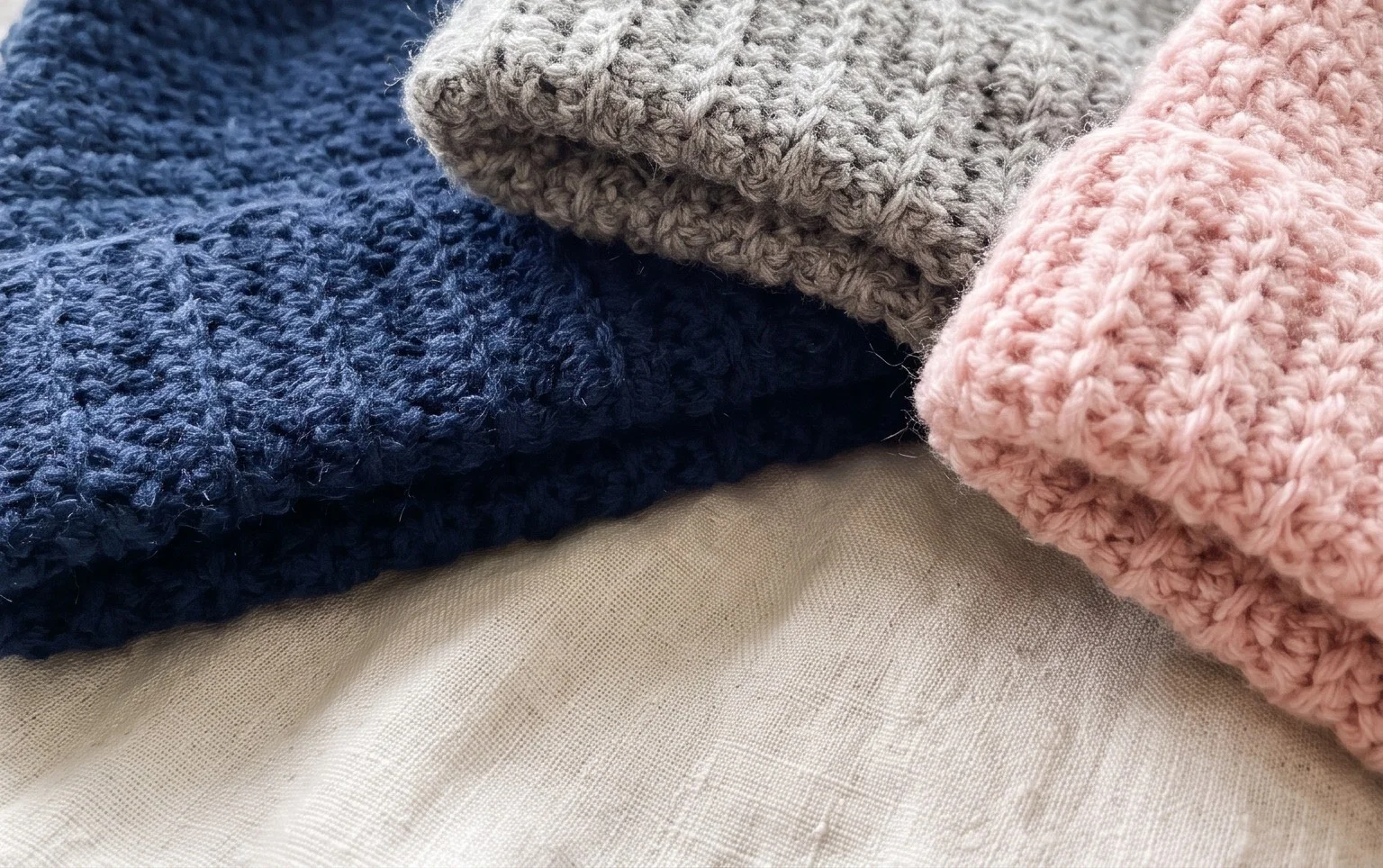
A finished crochet hat is a useful little win: it brings warmth to a chilly morning and carries the time you put into each stitch. Try one simple variation by changing the yarn color, or make the brim a little longer for a folded cuff. Before you give your hat away or wear it out, take a photo in natural light so its texture and shape show clearly. Share it on Pinterest or your favorite social media platform, and add the pattern name if you want other crocheters to find it. When you’re ready for another project, browse the blog for more free crochet patterns, from quick accessories to practical handmade gifts.